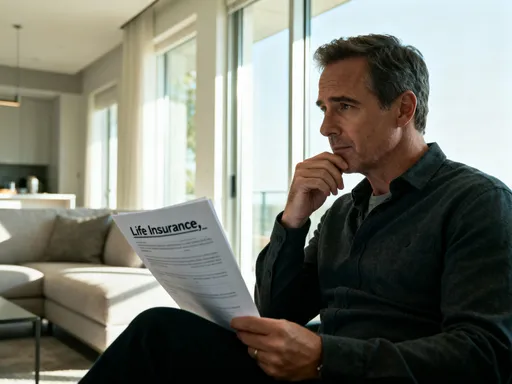
How I’m Shielding My Future from Nursing Costs—A Pro’s Real Talk on Risk Control
What if your retirement savings vanished not from bad investing, but from one overlooked risk—long-term care? I’ve seen smart savers fall through the cracks simply because they focused only on growth, not protection. Nursing costs can quietly erase decades of financial discipline. This isn’t about fear; it’s about strategy. Here’s how professionals like me are rethinking retirement planning—not just to grow wealth, but to defend it where it’s most vulnerable. The reality is that no investment return can fully compensate for the financial shock of an unprepared long-term care event. As life expectancy increases and healthcare evolves, the odds of needing extended care rise significantly. For many families, especially women who often live longer and manage household finances, this risk is both personal and urgent. Ignoring it isn’t caution—it’s complacency.
The Hidden Threat Lurking in Your Retirement Plan
When most people envision retirement risks, they picture stock market downturns, inflation eroding purchasing power, or simply living longer than expected. These are valid concerns, and financial planners have developed robust strategies to address them. But there’s another threat—one that operates silently until it strikes with full force: the cost of long-term care. Unlike hospital stays or surgeries, which are typically covered by Medicare or private health insurance, long-term care services such as nursing homes, assisted living facilities, or in-home care are largely paid out of pocket. According to data from recent national surveys, the average annual cost of a private room in a skilled nursing facility exceeds $100,000 in many U.S. regions. Even part-time in-home care can amount to tens of thousands per year, depending on frequency and provider.
This kind of expense doesn’t just strain a budget—it can dismantle a lifetime of savings. Consider a couple who diligently saved $750,000 over 40 years, expecting it to last through retirement. If one spouse requires three years of full-time nursing care, that entire nest egg could be depleted before the other spouse reaches age 80. And because care needs often emerge suddenly—triggered by stroke, dementia, or mobility issues—there’s rarely time to adjust. What makes this risk especially dangerous is its predictability. Studies show that about 70% of adults over 65 will require some form of long-term care during their lives. Yet fewer than 10% have made concrete financial plans to cover these costs. That gap between likelihood and preparation reveals a critical blind spot in modern retirement planning.
The misconception that Medicare will cover long-term care further compounds the problem. In truth, Medicare provides only limited skilled nursing care after a hospital stay and does not cover custodial care—the kind needed for daily living activities like bathing, dressing, or eating. Medicaid does cover long-term care, but only after individuals have spent down nearly all their assets to meet eligibility requirements. For middle-income families who have worked hard to build modest wealth, this creates a painful paradox: they’re too wealthy to qualify for assistance, yet not wealthy enough to afford years of care without financial ruin. This is why professionals increasingly treat long-term care not as a medical issue, but as a core financial planning challenge—one that demands proactive, structured solutions rather than reactive scrambling.
Why Traditional Retirement Planning Falls Short
For decades, retirement advice has followed a predictable formula: save a certain percentage of income, invest in a diversified portfolio, estimate a safe withdrawal rate—usually around 4%—and assume that with moderate growth, funds will last 30 years. This model works well under stable conditions, but it breaks down when faced with unpredictable, high-cost events like extended care. The flaw lies in its assumption of linear spending. Most retirement calculators project expenses rising gently with inflation, but they don’t account for sudden, exponential spikes caused by health decline. A retiree spending $50,000 annually may see that double or triple overnight if long-term care becomes necessary. No amount of portfolio optimization can absorb that shock without drastic lifestyle changes or family intervention.
Another limitation of traditional planning is its focus on longevity risk in terms of time, not health. Living to 90 or 95 is celebrated as a success, but what if those extra years come with declining independence? The quality of those years matters just as much as their quantity. A 25-year retirement filled with travel and hobbies looks very different from one dominated by medical appointments and care dependency. Yet standard financial models rarely differentiate between healthy aging and frailty-driven expenses. This oversight leads many retirees to overestimate their financial resilience. They assume their savings will stretch because they’ve followed the rules—maxed retirement accounts, avoided debt, minimized fees—but they haven’t stress-tested their plan against the most common non-market risk: human vulnerability.
Real-world examples illustrate this gap. A client of mine, a former school administrator, retired at 67 with $900,000 in retirement accounts and a paid-off home. She had a solid investment mix, withdrew 3.5% annually, and expected her money to last comfortably. At 74, she suffered a fall that led to progressive mobility issues. Within two years, she moved into an assisted living facility costing $7,000 per month. Her savings, which once seemed abundant, were exhausted in seven years. Her children had to step in, rearranging their own finances to cover remaining costs. This wasn’t due to poor investing or overspending—it was the result of an unanticipated liability that traditional planning didn’t anticipate. Her story isn’t unique. Across the country, similar scenarios play out daily, not because people failed to save, but because they failed to protect.
Risk Management Over Returns: A Professional Mindset Shift
Financial professionals understand that wealth preservation is as important as wealth accumulation. While media narratives often glorify high returns and aggressive growth strategies, seasoned advisors know that avoiding major losses is what truly secures long-term outcomes. In this context, managing the risk of long-term care costs isn’t pessimistic—it’s prudent. Just as diversification protects against market concentration, and tax-efficient accounts shield against unnecessary withdrawals, addressing care costs head-on protects against one of the most predictable financial drains in later life. The mindset shift required is simple but profound: stop viewing retirement planning solely through the lens of growth, and start seeing it as a balance between opportunity and defense.
This approach mirrors how institutions manage risk. Pension funds, endowments, and insurance companies don’t chase the highest possible returns; they aim for stability and predictability. They allocate resources not just to grow, but to withstand shocks. Individuals should adopt a similar framework. Instead of asking, “How much can I earn?” the better question is, “What could derail my plan, and how can I reduce that risk?” For most people, the answer includes long-term care. By identifying this exposure early—ideally in the 50s or early 60s—there are more options available. Waiting until health declines or care is imminent limits choices and increases costs. Acting early allows for deliberate, cost-effective strategies that don’t rely on hope or luck.
One of the most effective ways to manage this risk is through risk transfer—shifting the financial burden to an entity better equipped to bear it, such as an insurance company. This doesn’t mean abandoning self-reliance; it means using tools designed to handle low-probability, high-impact events. Just as homeowners insurance protects against fire, and disability insurance guards income during working years, long-term care protection safeguards retirement assets. The goal isn’t to eliminate all risk—nothing can do that—but to reduce the chance of catastrophic loss. When framed this way, investing in protection becomes not an expense, but a strategic allocation, much like emergency savings or estate planning. It’s part of building a resilient financial foundation, not an optional add-on.
Long-Term Care Insurance: Tools with Trade-Offs
Long-term care insurance (LTCI) is one of the most direct methods for managing nursing and care costs. These policies reimburse policyholders for qualifying care services, whether in a facility or at home, up to a specified daily limit and duration. Premiums are typically paid annually or monthly, and benefits are triggered when the insured needs help with two or more activities of daily living (ADLs) or has a cognitive impairment like dementia. When purchased early—ideally between ages 55 and 65—premiums are more affordable, and health qualifications are easier to meet. For those in good health, a policy with a three- to five-year benefit period and moderate inflation protection can provide meaningful coverage without excessive cost.
However, LTCI is not a one-size-fits-all solution. One major concern is premium volatility. Historically, some standalone policies saw significant rate increases due to lower-than-expected investment returns and higher-than-anticipated claims. This has made some consumers wary. To address these concerns, many insurers now offer hybrid products—life insurance or annuity contracts with long-term care riders. These policies combine death benefits with living benefits, allowing unused funds to pass to heirs if care isn’t needed. They also typically guarantee premium stability, which reduces uncertainty. While premiums for hybrids are higher upfront, they offer more flexibility and peace of mind, especially for those who want to avoid the “use it or lose it” nature of traditional LTCI.
Another consideration is eligibility. Applicants must undergo medical underwriting, and pre-existing conditions can lead to denial or higher rates. Cognitive disorders, mobility issues, or chronic illnesses may disqualify someone from coverage. This underscores the importance of acting before health declines. Additionally, benefit triggers vary by policy, and some require formal certification from a physician. Consumers should carefully review definitions of covered care, waiting periods (often 90 days), and whether inflation adjustments are included. While no policy eliminates all risk, a well-structured plan can significantly reduce exposure. For professionals, the key is not to promise perfection, but to offer realistic, tailored solutions that align with a client’s health, budget, and goals.
Asset Protection and Smart Withdrawal Tactics
Not everyone will choose or qualify for long-term care insurance, but that doesn’t mean they’re without options. Strategic financial structuring can still reduce vulnerability. One powerful tool is asset allocation with liquidity in mind. Retirees should maintain a portion of their portfolio in accessible, low-volatility assets—such as short-term bonds, money market funds, or high-yield savings accounts—to cover potential care costs without forcing the sale of equities during market downturns. This “bucket” strategy separates growth assets from near-term needs, reducing sequence-of-returns risk while preserving capital for unexpected liabilities.
Withdrawal sequencing also plays a crucial role. The order in which retirees draw from taxable, tax-deferred, and tax-free accounts can impact longevity and tax efficiency. When care costs arise, having a clear hierarchy—such as using taxable accounts first, then tax-deferred, and preserving Roth accounts—can extend the life of the portfolio. In some cases, converting traditional IRA funds to Roth accounts during low-income years can reduce future required minimum distributions (RMDs), which in turn lowers taxable income and potentially delays Medicare premium surcharges. These moves may seem minor in isolation, but together they create a more resilient financial structure.
Home equity is another often-overlooked resource. For many families, the home is the largest asset. Downsizing to a smaller, more manageable property can free up cash to cover care expenses or fund insurance premiums. Alternatively, a reverse mortgage—specifically a Home Equity Conversion Mortgage (HECM) insured by the Federal Housing Administration—allows homeowners aged 62 and older to access equity without making monthly payments. Funds can be received as a lump sum, line of credit, or monthly disbursement. While not suitable for everyone, a reverse mortgage can serve as a financial backstop, especially when combined with other planning tools. The key is to view home equity not just as shelter, but as a strategic component of retirement security.
The Role of Family and Care Planning Conversations
Financial planning for long-term care isn’t just about numbers—it’s also about people. Miscommunication among family members can lead to conflict, stress, and poor decisions when care becomes necessary. Siblings may disagree on responsibilities, adult children may be unprepared for caregiving roles, and spouses may face emotional and physical strain. These dynamics can escalate into costly legal battles or rushed financial moves, such as selling assets at inopportune times. To prevent this, open, early conversations are essential. Discussing care preferences—where one wants to receive care, who should make decisions, and what level of support is acceptable—can spare families from guesswork during difficult moments.
Equally important are legal and financial documents. A durable power of attorney allows a trusted individual to manage finances if someone becomes incapacitated. An advance healthcare directive outlines medical preferences and appoints a healthcare proxy. Without these, families may need to go to court to gain decision-making authority, a process that is both time-consuming and expensive. These documents aren’t just formalities; they’re financial safeguards that ensure wishes are followed and assets are protected. For married couples, coordinating estate plans and beneficiary designations helps avoid unintended consequences, such as disqualifying a spouse from Medicaid due to improper asset transfers.
For many women, who often outlive their spouses and take on caregiving roles, these conversations carry added weight. They may find themselves managing their own care needs while also supporting aging parents or grandchildren. Planning ahead reduces the burden on future generations and ensures that personal values guide decisions, not crisis-driven reactions. It also allows time to explore community resources, such as adult day programs, respite care, or local support groups, which can enhance quality of life while managing costs. Ultimately, care planning is not just a financial act—it’s an act of love and responsibility.
Building a Resilient Retirement: The Full Picture
True retirement resilience comes from integrating multiple layers of protection. It’s not enough to have a well-diversified portfolio or a high savings rate. A comprehensive plan must also address the risks that can undermine even the best-laid strategies. Long-term care is one of the most significant of these risks, yet it remains under-prioritized. The solution isn’t fear, but foresight. By treating nursing cost risk with the same seriousness as market risk, inflation, or tax efficiency, individuals can build a more balanced, durable financial future.
This holistic approach combines investment strategy, risk transfer tools, and personal planning. It starts with awareness—recognizing that care needs are not rare exceptions, but common possibilities. It continues with action—evaluating insurance options, structuring withdrawals wisely, and leveraging home equity when appropriate. And it culminates in coordination—aligning family, legal, and financial elements to ensure a smooth path forward. No single step guarantees success, but together they create a defense-in-depth strategy that enhances confidence and control.
The goal isn’t perfection. No plan can predict every twist of health or market. But preparation reduces vulnerability. It allows retirees to focus on what matters—spending time with grandchildren, pursuing hobbies, enjoying travel—without the constant worry that one medical event could unravel everything. For financial professionals, the mission is clear: help clients not just grow wealth, but protect it where it matters most. And for families, especially those led by thoughtful, forward-looking women, the message is equally clear: start early, think holistically, and prioritize defense as much as accumulation. Because the most powerful investment isn’t in stocks or bonds—it’s in peace of mind.