It’s Not Just About Phones: How Backup Habits Gave Me My Life Back
Have you ever lost a photo, a message, or a note that meant everything? I have—and it changed how I see technology. What felt like just tapping “backup” turned out to be a quiet act of self-care. It’s not about saving files; it’s about preserving moments, peace of mind, and the little things that make life yours. This is how mobile backup quietly became one of my most powerful daily habits. It didn’t happen overnight. It started with heartbreak, grew through trial and error, and now it’s as natural as brushing my teeth. And honestly? I wish I’d known sooner just how much this small habit could protect—not just my phone, but my memories, my family, and my sense of calm.
The Moment Everything Vanished
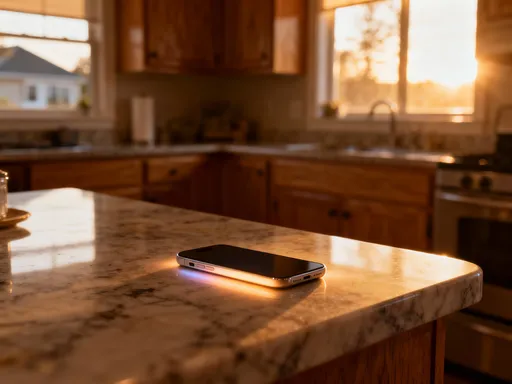
It was a rainy Tuesday morning when my phone froze. I remember it clearly because I had just taken a video of my youngest daughter singing her school’s holiday song. Her voice was shaky, her hands fluttering like baby birds, and I had promised to send it to Grandma later that day. I tapped the screen. Nothing. Held the power button. Still nothing. After a few panicked tries, I gave up and plugged it into the charger, hoping it would wake up like a sleepy child. But when it finally turned on, everything was gone. No photos. No messages. No calendar entries. Not even my grocery list. Just a blank slate, like someone had wiped my life clean while I wasn’t looking.
I sat on the edge of the couch, staring at the screen, feeling a strange mix of disbelief and grief. It wasn’t just the video—I knew I could reshoot that. It was the months of tiny moments: birthday wishes from friends, voice notes from my sister when she was going through a hard time, screenshots of sweet messages from my kids’ teachers, even the recipe I’d saved for my mother’s apple cake. All of it—gone. I didn’t realize how much of my emotional life lived inside that little device until it disappeared. That day, I cried not because my phone broke, but because I felt like I’d lost a piece of my family’s story. And the worst part? I knew it was avoidable. I’d told myself, “I’ll back it up tomorrow,” for months. Now, there was no tomorrow for those memories.
That moment changed everything. I used to think of backup as something techy people did—something complicated, time-consuming, maybe even unnecessary if you were careful. But losing those files taught me that digital care isn’t about being a gadget expert. It’s about being someone who values their life enough to protect it. And the truth is, none of us are immune. Phones get dropped, stolen, lost, or simply stop working. It’s not a matter of if, but when. That rainy Tuesday wasn’t just a tech failure. It was a wake-up call.
What We’re Actually Saving (And Why It Matters)
When we talk about backing up our phones, we often say things like, “I need to save my photos and contacts.” But that’s only the surface. What we’re really saving is so much deeper. Think about the last time you recorded your child laughing, or saved a text from a friend who said, “I’m thinking of you.” Those aren’t just data points—they’re emotional anchors. They’re proof that you were loved, that you showed up, that life happened in beautiful, messy ways. Our phones have become the quiet keepers of our personal history. They hold our growth, our joy, our healing.
I started paying attention to what was really stored in my phone after the crash. Beyond the obvious—photos, messages, contacts—I found voice memos of my morning gratitude practice, notes from therapy sessions, a playlist I made during a tough week, screenshots of encouraging emails, and even the doodle my son drew for me on Father’s Day. These weren’t just files. They were pieces of my journey. I realized that backing up isn’t just about avoiding inconvenience. It’s about honoring the moments that shaped me. It’s a way of saying, “This mattered. This still matters.”
And it’s not just personal. Our phones also hold practical pieces of our daily lives—our health tracking logs, medication reminders, appointment schedules, school pickup times, and even the Wi-Fi password for the in-law’s house. Losing access to these isn’t just sad; it’s disruptive. It can throw off routines, create stress, and make us feel out of control. When you back up your phone, you’re not just saving data. You’re preserving continuity. You’re ensuring that even if your device fails, your life doesn’t have to stop. It’s like having a safety net for your day-to-day rhythm.
So when I say backup is emotional preservation, I mean it literally. Every time I press that little sync button, I’m not just being practical. I’m protecting the things that make me feel whole. I’m keeping my story alive. And that’s worth far more than any technical explanation could capture.
The Myth of “I’ll Do It Later”
We’ve all been there. You’re rushing out the door, your phone is low on battery, and you think, “I’ll back it up tonight.” But by the time you get home, you’re tired. The kids need help with homework, dinner is burning, and suddenly, it’s bedtime. “Tomorrow,” you tell yourself. And then tomorrow becomes next week, and next week becomes never. I used to live in that cycle. I knew backup was important, but it never felt urgent—until it was too late.
The truth is, “I’ll do it later” is one of the most dangerous phrases in digital life. It sounds harmless, even responsible. But it’s a trap. Because the moment you need your backup isn’t when your phone is working fine. It’s when it crashes, gets stolen, or runs out of storage. And by then, it’s too late to go back. I’ve talked to so many women—moms, professionals, caregivers—who’ve lost precious memories because they kept putting it off. One friend lost all her wedding photos when her phone was stolen on vacation. Another lost years of journal entries after an accidental factory reset. These weren’t edge cases. They were preventable tragedies caused by the same small delay.
What I’ve learned is that consistency beats perfection. You don’t need to back up every single file perfectly. You just need to do it regularly. It’s like watering a plant. You don’t have to do it for hours at once, but if you skip it for weeks, the plant dies. The same goes for your digital life. A little effort, repeated over time, creates safety. But waiting for the “perfect moment” means you’ll never start.
I also realized that the reason we delay is often because we make it harder than it needs to be. We imagine backup as something technical, something that requires time, effort, or special knowledge. But that’s not true anymore. Today’s tools are designed to work quietly in the background. You don’t have to be a tech expert. You just have to care enough to begin. And the best part? Once it’s set up, you barely have to think about it. But that first step—admitting you can’t wait—has to come from you.
Making Backup Effortless: How I Built a System That Works
After my phone crash, I was determined to never go through that again. But I didn’t want to spend hours learning complicated software or buying extra gadgets. I wanted something simple, reliable, and invisible—something that worked whether I remembered or not. So I started experimenting with the tools I already had. And guess what? I didn’t need anything new. My phone came with built-in backup options, and they were free.
For iPhone users, iCloud is the easiest place to start. I went into my settings, tapped on my name, then iCloud, and turned on Photos, Messages, Notes, and Health. Then I made sure iCloud Backup was switched on. That’s it. Now, every night when my phone charges and connects to Wi-Fi, it backs up automatically. I don’t have to do anything. It’s like my phone tucks itself in at night and says, “Don’t worry, I’ve got this.” For Android users, Google One does the same thing. You can enable auto-backup for photos, apps, and settings in just a few taps. No extra cost, no complicated setup.
I also started using cloud photo libraries. Instead of keeping everything only on my phone, I let my photos upload to iCloud or Google Photos as soon as I take them. That way, even if I lose my phone, every picture is safe. I tested it once by deleting a photo on purpose—then restored it from the cloud. It felt like magic. And the best part? It didn’t require any extra effort. It just happened.
I remember talking to my friend Lisa about this, and she said, “That sounds too good to be true. I tried backing up once, and it took forever.” I get it. The first time can take a while, especially if you have years of photos and videos. But after that initial upload, it’s smooth sailing. I told her to try it for one night. She did—and a week later, she called me, excited. “I didn’t even think about it,” she said, “but last night, my phone backed up all on its own. I feel like I got my brain back.” That’s the power of automation. It removes the burden. It turns a chore into a habit. And once it’s running, you forget it’s even there—until you need it.
Peace of Mind Is a Daily Gift
One of the most surprising benefits of regular backup isn’t about data at all. It’s about how it makes me feel. Before I set up auto-backup, I used to worry. I’d get nervous if my phone battery dropped below 20%. I’d panic if it slipped out of my pocket. I’d stress if I couldn’t find it for a few minutes. It wasn’t just about losing a device. It was about losing everything inside it. That constant low-level anxiety took up space in my mind—space I could have used for joy, creativity, or rest.
Now, that fear is gone. Not because my phone is safer, but because I know my memories are. If my phone breaks, I can replace it. But if my photos vanish, I can’t get them back. Knowing they’re backed up gives me a deep sense of calm. It’s like locking the front door at night. You don’t think about it much, but it makes a huge difference. That small act of security lets you relax. It lets you live.
I’ve noticed that I use my phone more freely now. I take more photos. I save more notes. I record more voice memos. I don’t hold back because I’m afraid of losing them. That freedom is priceless. And it’s not just me. My daughter sees me filming her dance routines without hesitation. My husband knows he can send me important documents without me saying, “Wait, let me back up first.” That peace of mind ripples out into my whole life.
Emotional safety matters. And in today’s world, part of that safety is digital. When you know your data is protected, you’re not just protecting files. You’re protecting your ability to breathe easy. You’re giving yourself permission to be present. Because when you’re not worried about losing the past, you can fully embrace the present.
Sharing More, Worrying Less: Family and Connection
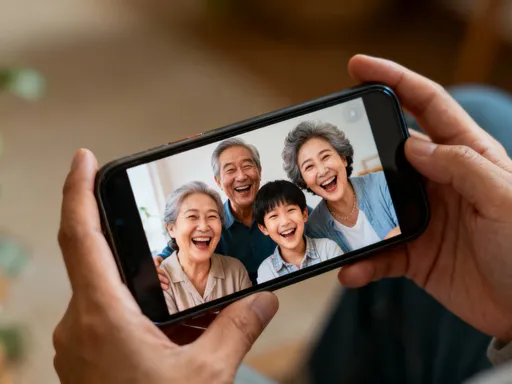
One of the most beautiful side effects of backup is how it’s strengthened my family connections. Before, I was hesitant to share photos right away. I’d think, “Let me save them somewhere safe first.” But now, because everything is already backed up, I can share instantly. When my nephew took his first steps, I sent the video to my parents within minutes. When my daughter made a painting at school, I shared it with her grandparents that same day. Those moments used to get delayed. Now, they flow freely.
My mom, who lives across the country, told me how much she loves getting those little updates. “It makes me feel like I’m there,” she said. And she’s not just seeing the photos—I’ve shared entire albums with her through iCloud and Google Photos. She can scroll through our family moments anytime, even if her phone runs out of space. It’s brought us closer, even from miles apart.
Backup has also made family trips easier. Instead of worrying about losing photos during travel, I let them upload automatically. My sister and I now share a photo album for our annual getaway. Every picture we take goes into the same place, safe and organized. No more “Did you save that shot of the sunset?” No more “I think my phone crashed.” We just enjoy the moment, knowing it’s preserved.
And when we gather for holidays, I can pull up old videos and photos without fear. I showed my kids a clip from their first Christmas last year, and they laughed so hard. Those memories are no longer fragile. They’re protected. And that means we can share them more, celebrate them more, and pass them down with confidence. Backup isn’t just about storage. It’s about connection. It’s about making sure the people you love never miss a moment.
Your Phone, Your Story: Taking Back Control
At the end of the day, this isn’t really about technology. It’s about intention. It’s about deciding that your life—your memories, your growth, your family—is worth protecting. Taking charge of your digital life doesn’t make you tech-savvy. It makes you self-aware. It makes you someone who cares enough to plan ahead, not out of fear, but out of love.
I used to see backup as a chore. Now I see it as an act of care—for my past self who captured those moments, for my present self who lives them, and for my future self who will want to remember. It’s a small daily ritual that says, “You matter. Your story matters.” And in a world that moves so fast, that kind of grounding is powerful.
You don’t need to overhaul your life. You don’t need to learn complex tools. Just take one step tonight. Open your phone settings. Find iCloud or Google One. Turn on backup. Let it run while you sleep. That one tap won’t feel like much. But it might just save a moment you can’t afford to lose. Because your phone isn’t just a device. It’s your story. And you have the power to keep it safe. Start tonight. One tap can change everything.