More Than Paying: How Parking Apps Gave Me Back My Peace of Mind
Life moves fast — and so does the little stress of circling the block, hunting for change, or rushing back to feed the meter. I used to dread running errands, not because of the tasks, but the parking hassle. Then I tried a simple parking payment app, almost by accident. What started as a convenience turned into something deeper: more time with my kids, less daily frustration, and a surprising sense of control. It wasn’t just about paying faster — it was about reclaiming small moments that add up to a calmer, more intentional life.
The Daily Drain: How Parking Stress Sneaks Into Your Life
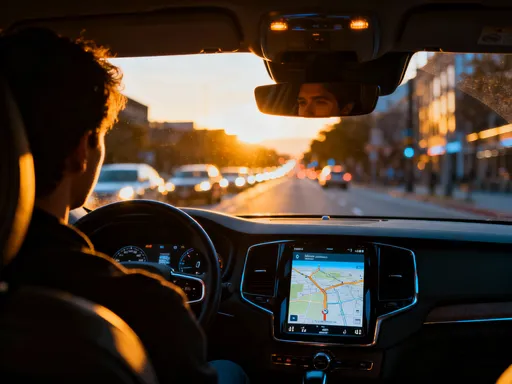
Remember that morning when you left the house five minutes late, only to spend twenty minutes driving around the block, eyes darting between side streets and your watch? You’re not alone. For years, parking was the invisible tax on my day — not just in time, but in peace of mind. It didn’t feel like a big deal at first. But over time, those little moments of tension stacked up like unpaid bills. The coin hunt in the car cup holder. The panic when the meter ran out while you were still inside the pharmacy. The guilt of being late to pick up your child from school because you had to walk ten blocks back from where you finally parked.
I started noticing how often these small frustrations bled into the rest of my day. I’d walk into the house after a grocery run already drained, snapping at my daughter for leaving her shoes in the hallway. Or I’d cut short a coffee with a friend because I was afraid of getting a ticket. One rainy Tuesday, I remember standing under an awning, phone in one hand, umbrella in the other, trying to remember which side of the street had even-numbered parking. I wasn’t just annoyed — I was exhausted. And it hit me: I was giving so much emotional energy to something that wasn’t even the main event. The errand wasn’t the problem. The parking was.
What made it worse was how unpredictable it felt. Some days, I’d luck into a spot right in front of the store. Other days, I’d circle the same block three times, watching the clock tick down. That lack of control made me feel powerless — like I was at the mercy of city rules and random chance. And as a mom who likes to plan, who thrives on routine, that unpredictability wore me down. It wasn’t just about the time lost. It was about the mental load — the constant background hum of ‘Did I feed the meter? How long do I have? Should I move the car?’ That’s when I realized: I wasn’t just losing minutes. I was losing calm.
Meet the App That Changed My Routine
It wasn’t a tech guru who introduced me to the parking app. It was my sister, during a weekend visit. We were leaving the farmer’s market, and instead of digging through her purse for quarters, she tapped her phone and said, ‘All set.’ I stared. ‘You can do that?’ She laughed. ‘You’ve been carrying loose change for years, haven’t you?’
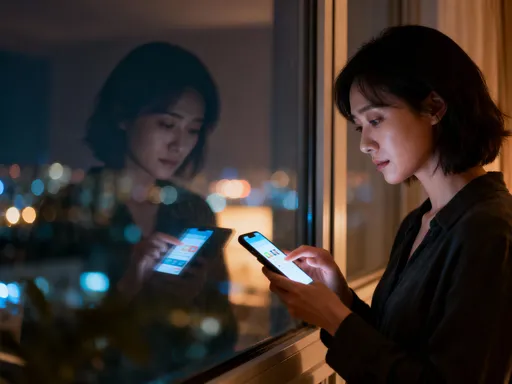
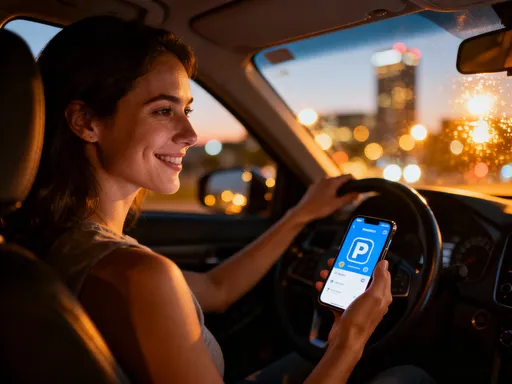
Skeptical but curious, I downloaded it that night. The setup was easier than I expected. I entered my license plate, saved my payment method, and that was it. No complicated menus, no confusing instructions. The next morning, I used it for the first time at the post office. I parked, opened the app, selected my spot, and tapped ‘Start.’ That’s all. No coins. No timer anxiety. Just a clean screen showing my time counting up. And then — the best part — a gentle notification fifteen minutes before my time ran out. I was inside, sorting mail, and my phone buzzed: ‘Time expiring soon. Extend parking?’ I tapped ‘Yes’ from my seat. Done.
In that moment, something shifted. It wasn’t just convenience. It was relief. I remember standing by my car afterward, breathing deeply, realizing I hadn’t felt that calm in a parking situation in years. The app didn’t just solve a problem — it removed a whole layer of stress I’d stopped questioning. And what surprised me most was how quickly it became second nature. I didn’t have to think about it. I didn’t have to plan around it. It just worked. It was like having a quiet helper in my pocket — one that knew when I needed a little extra time, or a nudge before I forgot. For the first time, parking wasn’t something I had to manage. It was something that managed itself.
From Convenience to Confidence: The Ripple Effect on Daily Life
You don’t realize how much mental space parking stress takes up until it’s gone. Once that weight lifted, I started noticing changes in other parts of my life. I became more willing to say yes to things. A last-minute invitation to lunch with a friend? I used to hesitate — what if the parking was bad? What if I got a ticket? Now, I just go. I’ve started exploring neighborhoods I used to avoid because I assumed parking would be a nightmare. There’s a little bookstore downtown I’d driven past for years. I finally visited — and stayed two hours, completely at ease, knowing I could extend my time with a tap.
But the real shift was internal. I felt calmer. More present. Less reactive. One afternoon, my daughter spilled juice on the backseat. In the past, I might have snapped — already on edge from a morning of parking chaos. But that day, I just sighed, grabbed a towel, and said, ‘We’ll clean it when we get home.’ No drama. No tension. I realized I had more emotional bandwidth. That one small win — not worrying about parking — had created space for patience, for kindness, for breathing room.
It’s like removing a pebble from your shoe. You don’t notice it until it’s gone — and then suddenly, every step feels easier. I started making decisions from a place of calm instead of urgency. I planned errands in a different order, not based on parking availability, but on what made sense for my day. I even started leaving earlier, not because I had to, but because I wanted to enjoy the walk from my car. That’s when it hit me: this wasn’t just about parking. It was about reclaiming control over my time and energy. And that sense of control spilled over into everything — how I parented, how I worked, how I showed up for myself.
Teaching My Teen to Park — and Trust Technology
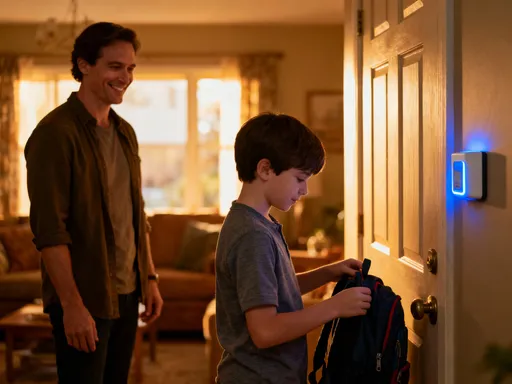
When my oldest son got his license, I braced myself. I remembered how stressful it was for me — the fear of making a wrong turn, the panic of not knowing parking rules, the dread of coming back to a ticket. I didn’t want him to feel that same pressure. So when he started practicing parallel parking near the library, I showed him the app. At first, he rolled his eyes. ‘Mom, I don’t need an app to park.’ But then I showed him how it could help — how we could set the timer together, how he’d get a reminder before time ran out, how I could even see his parking status if he shared his location.
It became part of our routine. Before he drove anywhere, we’d open the app together, select the zone, start the session. I taught him how to read the signs, how to know which side of the street was legal, and then let the app handle the rest. The first time he got a notification that his time was ending, he grinned. ‘I didn’t even have to think about it.’ That moment felt like a win — not just for convenience, but for trust. He wasn’t alone out there. He had a tool that supported him, and I had peace of mind knowing he wouldn’t get a surprise ticket.
What I didn’t expect was how it would strengthen our communication. Instead of me calling to ask if he’d fed the meter, he’d send a quick screenshot. Instead of arguments about being late, we’d laugh about how the app had saved him twice in one week. It turned a potentially stressful rite of passage into something collaborative. Technology, in this case, wasn’t a barrier between us — it was a bridge. It gave him independence and gave me reassurance. And that balance — between letting go and staying connected — is exactly what parenting teenagers is all about.
Finding Joy in the Errands: How Less Friction Creates More Space
Here’s something I never thought I’d say: I’ve started enjoying my errands. Not because the tasks themselves changed — folding laundry is still folding laundry — but because the journey to and from them feels lighter. Without the mental burden of parking, I’ve become more aware of my surroundings. I notice things now. The flower shop on 5th Street that changes its display every week. The old man who walks his terrier at the same time every morning. The way the sunlight hits the brick buildings in the late afternoon.
One Saturday, I parked near the library to pick up books for my son’s school project. Instead of rushing in and out, I sat in the car for a minute, watching people walk by. A woman with a stroller waved at a neighbor. Two kids on bikes zoomed past, laughing. I realized I hadn’t done that in years — just sat and observed. The app had given me that moment. Because I didn’t have to worry about time, because I knew I could extend with a tap, I felt permission to pause.
That’s the unexpected gift of reducing friction: it creates space for presence. When you’re not constantly solving problems, you can actually experience your life. I’ve started taking different routes, not because they’re faster, but because they’re prettier. I’ve discovered a bakery I never knew existed, just because I had extra time and didn’t have to circle for parking. These aren’t grand adventures — but they’re moments of joy, tucked into ordinary days. And they wouldn’t have happened if I’d been too stressed about where to park.
Building a Habit That Feels Like Self-Care
I never thought a parking app could feel like self-care. But here’s the truth: taking care of yourself isn’t always about spa days or long walks on the beach. Sometimes, it’s about the small, consistent choices that make your life easier. Using the app has become part of my rhythm — like brushing my teeth or making my morning tea. It’s not flashy. It doesn’t make for a great social media post. But it matters.
Every time I start a parking session from my phone, I’m sending myself a quiet message: I matter. My time matters. My peace matters. It’s a tiny act of kindness toward myself — one that says, ‘You don’t have to struggle through this. You can make it easier.’ And over time, those tiny acts add up. I’ve stopped seeing technology as something that distracts or overwhelms. Instead, I see it as a tool that can support my well-being — when used with intention.
I’ve even started applying that mindset to other areas. If there’s a way to simplify a task — a grocery delivery app, a calendar reminder for doctor appointments — I try it. Not because I’m lazy, but because I want to protect my energy for the things that truly matter. And that’s the real shift: I’m no longer measuring my worth by how much I can endure. I’m measuring it by how well I can care for myself, even in the small moments. The parking app didn’t change my life in a dramatic way. But it changed how I move through my life — with a little more ease, a little more grace, and a lot more kindness toward myself.
The Bigger Picture: What Small Tech Wins Teach Us About Living
We’re often sold the idea that change has to be big. That to feel better, we need a new job, a new routine, a complete overhaul. But my experience with the parking app taught me something different. Sometimes, the most meaningful shifts come from the quietest tools — the ones that don’t make headlines, but make days better. They don’t shout. They whisper. ‘You can relax. You’ve got this.’
That small win — not worrying about parking — opened a door. It showed me that peace isn’t always found in grand gestures. It’s found in the removal of friction. In the moments when you don’t have to scramble, when you don’t have to stress, when you can just *be*. And when you collect enough of those moments, your whole life starts to feel different. Lighter. Fuller. More yours.
So I’ll leave you with this: look at your own day. What’s the little thing that drains you? The coin hunt? The reminder you always forget? The task that feels heavier than it should? There might be a simple tool — a digital one, a routine tweak, a shared habit — that can help. It might not seem like much. But sometimes, the smallest changes carry the biggest peace. Because living well isn’t about doing more. It’s about feeling better in the life you already have. And if a parking app can give me back my calm, what could your small win give back to you?