Tired of yelling across the house to get your kid’s attention? This smart alert system changed our daily routine
Raising kids comes with endless moments of miscommunication—calling out for help, reminding them about chores, or trying to get their attention from another room. You’re not alone if you’ve felt the frustration of repeating yourself over and over. I once stood at the bottom of the stairs, raising my voice for the third time, only to be met with silence. That was before I discovered a simple tech solution that transformed how my child and I connect at home. It’s not about control—it’s about clarity, calm, and connection. And honestly, it didn’t take a fancy app or a complete home overhaul. Just one small change made all the difference.
The Everyday Chaos: When Simple Tasks Turn Into Family Stress
We’ve all been there—calling out “Dinner’s ready!” only to hear crickets from upstairs. You repeat yourself. Then again. Maybe you even resort to walking all the way to their room, only to find them completely absorbed in a book, game, or video—oblivious to your voice. It’s not that they’re being disrespectful. It’s that they’re just not hearing us, or worse, they’ve learned to tune us out after too many repeated reminders. Over time, those small moments start to pile up. And what begins as a simple call for dinner can spiral into frustration, raised voices, and that all-too-familiar feeling of being ignored in your own home.
But it’s not just about mealtime. Think about the morning routine: “Did you pack your lunch?” “Where’s your homework?” “Brush your teeth—again?” Or the after-school chaos: “Don’t forget your jacket!” “Please start your homework.” “Can someone pick up their backpack from the hallway?” These aren’t big demands, but they happen so often that they begin to wear on everyone. The repetition can make you feel like a broken record, and your kids might feel nagged or micromanaged. This constant back-and-forth chips away at family peace, leaving everyone a little more tense, a little less patient.
I used to dread transitions—the shift from playtime to homework, from screen time to bedtime. That’s when miscommunication peaked. I’d call, they’d ignore, I’d repeat, they’d finally respond—but with resistance. And by then, I was already irritated. We weren’t connecting; we were clashing. I started wondering: Is there another way? Can we build a system that doesn’t rely on my voice as the only signal? That’s when I began exploring how small, thoughtful technology could help—not to replace parenting, but to support it.
Discovering a Simpler Way: How One Small Device Made a Big Difference
It started with a simple Google search: “ways to get kid’s attention without yelling.” I wasn’t looking for high-tech parenting hacks—just something practical. That’s when I stumbled upon the idea of using home alert systems, not for security, but for communication. At first, I thought, “Wait, isn’t that for break-ins and alarms?” But as I read more, I realized many security-based alert systems come with customizable lights, sounds, and signals that can be used for everyday routines. These aren’t loud, jarring alarms—they’re gentle chimes, soft glowing lights, or even personalized tones that can mean different things in your home.
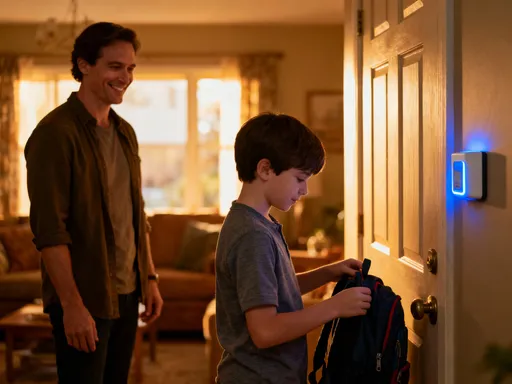
I decided to try a simple indoor alert system with wireless sensors and small light indicators. I placed one in my child’s room and one in the kitchen. We chose a soft blue glow to mean “Please come downstairs,” and a warm yellow pulse for “Time to start cleaning up.” At first, I worried it was too much—another gadget, another thing to manage. But after just two days, something shifted. I turned on the blue light, waited, and within a minute, my child appeared at the kitchen doorway. No yelling. No frustration. Just a quiet moment of connection.
The emotional relief was immediate. For the first time in a long while, I didn’t feel like I had to fight to be heard. It wasn’t that my child suddenly became more obedient—it was that the signal bypassed the mental noise. There was no tone of frustration in the light. It didn’t sound like I was angry or impatient. It was neutral, clear, and consistent. And because we had chosen the signals together, it felt like a shared language, not a command. That night, over dinner, my child said, “I like the blue light. It doesn’t feel like yelling.” That one sentence made me realize how much our voices can carry unintended emotions—even when we’re trying to stay calm.
Bridging the Gap: Turning Security Tech Into a Family Language
Once we got used to the lights, we started expanding what they meant. We realized this wasn’t just about getting attention—it was about creating a communication system that respected everyone’s space and mindset. We began assigning signals to different routines: a blinking white light for “homework time,” a slow red pulse for “wind down for bed,” and a cheerful chime for “family game night.” Each one became part of our home’s rhythm, like a gentle nudge rather than a demand.
What surprised me most was how much my child wanted to be involved. We sat down one weekend and designed our “family signal code” together. They picked the sounds and colors they liked, and we talked about what each one would mean. It wasn’t just functional—it was fun. It felt like we were building something together, a kind of silent understanding that made our home feel more connected. And because they helped create the system, they were more likely to respond when the signal went off. It wasn’t me telling them what to do—it was us following a plan we’d agreed on.
This shift from top-down commands to shared signals made a big difference in our dynamic. I wasn’t the “nagging parent” anymore. I was a partner in a system we both respected. My child wasn’t resisting out of habit—they were responding to a cue they had helped design. Over time, they started to anticipate the signals, even preparing for transitions before the light came on. That sense of ownership fostered independence. They weren’t just following orders—they were learning to manage their own time and tasks with a little help from technology.
Calm Over Chaos: Building Routines Without Conflict
Children thrive on predictability. Even if they don’t always show it, routines give them a sense of safety and control. But when routines rely solely on verbal reminders, they can feel inconsistent—especially on busy or emotional days. One day you’re calm and gentle, the next you’re stressed and short. The messages may be the same, but the tone changes everything. That’s where visual and auditory signals shine. They’re consistent. They don’t get tired, frustrated, or rushed. A blue light means the same thing every time—no matter what kind of day you’re having.
For younger kids, or those who process information differently, non-verbal cues can be especially helpful. My neighbor, a mom of a neurodiverse child, shared how a similar system helped her family. “Words sometimes get lost,” she said. “But a light? That stays in his mind.” She uses a green flash for “free time” and a red glow for “focus time.” Her son responds faster and with less anxiety because the signal is clear and predictable. He doesn’t have to interpret tone or guess what’s expected—he just follows the light.
In my home, the reduction in verbal reminders led to a noticeable drop in tension. I wasn’t repeating myself, so I wasn’t building up frustration. My child wasn’t being told what to do ten times, so they weren’t feeling nagged. We both felt calmer. One evening, my child looked up from their tablet when the yellow pulse started and said, “The light came on, so I knew it was time to pack my bag.” That moment hit me: they weren’t just obeying—they were internalizing the routine. The signal wasn’t replacing their thinking; it was supporting it. And that made all the difference.
Empowering Kids, Easing Parents: The Hidden Benefits of Shared Signals
One of the most unexpected benefits of this system was how it made both of us feel more capable. For my child, it was about trust. They weren’t being watched or constantly directed. They were being given tools to manage their own time. That small shift—from being reminded to being signaled—made them feel more responsible, more grown-up. I started noticing things I hadn’t before: their backpack packed before I asked, their homework started without a prompt, their room tidied because the “cleanup chime” had played. It wasn’t perfect every day, but the overall trend was clear: they were taking initiative.
For me, the relief was just as real. Parenting can be exhausting, and one of the biggest drains is the mental load—the constant remembering, reminding, and following up. This system didn’t eliminate that entirely, but it reduced it significantly. I wasn’t holding all the tasks in my head anymore. The lights and sounds were my co-pilots, quietly helping me guide the day without wearing myself out. I felt more in control, not because I was stricter, but because we had a system that worked for both of us.
And here’s the beautiful part: our relationship improved. Without the daily friction of repeated reminders, we had more space for connection. We laughed more at dinner. We had calmer mornings. We weren’t starting the day with a power struggle. That peace didn’t come from a big change—it came from a small, consistent signal that said, “It’s time,” without saying a word. It’s amazing how much emotional energy we save when we stop having to fight to be heard.
Setting It Up: A Simple Guide to Making It Work in Your Home
If you’re curious about trying this in your home, I promise it’s easier than it sounds. You don’t need a smart home or a tech background. Start small. Choose one routine that’s a pain point—maybe dinner, bedtime, or homework—and pick a simple alert system that fits your space. Look for one with wireless sensors and customizable lights or sounds. Many are designed for security but work perfectly for communication. Brands like SimpliSafe, Ring, or even basic indoor alarm kits offer these features without complicated apps or wiring.
Next, pick a location for the signal. The kitchen, a hallway, or your child’s room are great starting spots. Make sure the light or sound is noticeable but not overwhelming. Then, choose your first signal. Pick a color or sound that feels right—something gentle, not jarring. We started with blue for “come downstairs” because it felt calm and neutral. Avoid red at first—our brains associate it with urgency or danger.
Now, the most important step: involve your child. Sit down together and explain the idea. Ask them what lights or sounds they like. Let them help decide what each signal will mean. This isn’t about installing a system over their head—it’s about creating a shared tool. When they feel part of the process, they’re more likely to respond. Test it out together. Try the signal and see how it feels. Adjust as needed. Maybe the sound is too loud, or the light isn’t visible from their desk. That’s okay. This is supposed to work for your family, not the other way around.
Start with just one signal. Use it consistently for a week or two before adding another. This gives everyone time to adjust. And be patient. Habits take time. There will be days when the light goes off and they don’t respond right away. That’s normal. Gently remind them what it means, without frustration. Over time, it will become second nature. And when it does, you’ll wonder how you ever managed without it.
More Than a Gadget: How Small Tech Can Strengthen Family Life
At first, I thought this was just about reducing yelling. But what I’ve come to realize is that it’s about something much deeper: respect, clarity, and connection. This little system didn’t just change how we communicate—it changed how we feel about being together. We’re no longer stuck in a cycle of calls and ignores, demands and delays. Instead, we have a quiet language that helps us move through the day with more ease and less stress.
Technology often gets a bad reputation for pulling families apart—screens, notifications, endless distractions. But when used thoughtfully, it can do the opposite. It can support love, understanding, and cooperation. This isn’t about replacing human interaction. It’s about removing the friction that gets in the way of it. It’s about creating space for more meaningful moments—like a shared laugh at dinner, a spontaneous hug after school, or a calm bedtime story without the usual rush.
Peace at home doesn’t come from grand gestures. It’s built in small, daily choices—like choosing a soft light over a raised voice. It’s in the quiet moments when a child responds not because they’re afraid of being yelled at, but because they understand the signal and feel respected by it. It’s in the relief a parent feels when they don’t have to be the loudest voice in the house to be heard.
If you’re tired of repeating yourself, if you’re longing for a calmer, more connected home, I encourage you to consider this small shift. You don’t need to overhaul your parenting or your house. You just need one simple tool, used with intention. Because sometimes, the most powerful changes aren’t loud—they’re quiet. They’re in a light that glows gently in the hallway, saying without words: “It’s time to come together.” And when that happens, you realize something beautiful: connection isn’t always about talking. Sometimes, it’s about finding a better way to be heard.