Stuck in Traffic Again? This Real-Time Update Trick Saved My Daily Commute
We’ve all been there—sitting in gridlock, watching the minutes tick away, already late for work or missing precious time with family. I used to dread my drive, heart racing as I inched forward, wondering if I’d ever arrive on time. But everything changed when I started using real-time traffic information not just as data, but as a daily life strategy. It didn’t just reroute my car—it reshaped my mornings, my focus, and even my peace of mind. What felt like a small tweak turned into one of the most meaningful shifts in how I move through my day. And honestly? It gave me back something I thought I’d lost: control.
The Daily Grind: How Traffic Was Stealing My Time and Peace
There was a time when my mornings felt like a race I was always losing. The alarm would go off, I’d hit snooze once—okay, twice—and then the scramble would begin. Clothes scattered, lunch boxes half-packed, coffee spilled on the counter. By the time I got the kids buckled in and pulled out of the driveway, I was already behind. And then came the worst part: the drive.
Traffic wasn’t just slow—it was unpredictable. One day the highway would be clear, the next it would be stopped for no reason I could see. I’d sit there, gripping the wheel, watching the clock. Was I going to make it to the office on time? Would I miss the school drop-off window and make my daughter wait in the cold? Would my boss notice I was late—again? The stress built up before I even reached my desk.
What I didn’t realize at the time was that it wasn’t just the lost time that was wearing me down. It was the helplessness. I felt like a passenger in my own life, at the mercy of forces I couldn’t control. I’d arrive flustered, my mind already spinning, and it took me hours to settle into my work. Evenings weren’t much better—I’d come home drained, too tired to really be present with my family. I started to wonder: is this just how adulthood has to feel? Like you’re constantly running, but never getting anywhere?
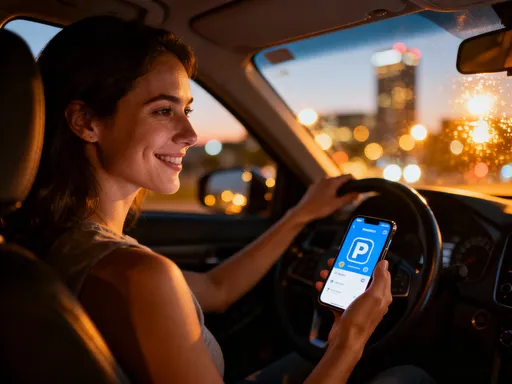
Then one morning, something small happened that changed everything. I glanced at my phone as I backed out of the driveway, and instead of just showing me the fastest route, it said something different: “Heavy traffic ahead. Suggested route: +3 minutes longer, but avoids delay.” I remember thinking, Yeah, right. Like that’s going to help. But I was already late, so I shrugged and followed it. And for the first time in months, I wasn’t late. In fact, I arrived early. That tiny moment sparked a question I couldn’t let go: what if I didn’t have to suffer through traffic blindly? What if I could actually see what was coming?
The Turning Point: Discovering Real-Time Traffic Tools
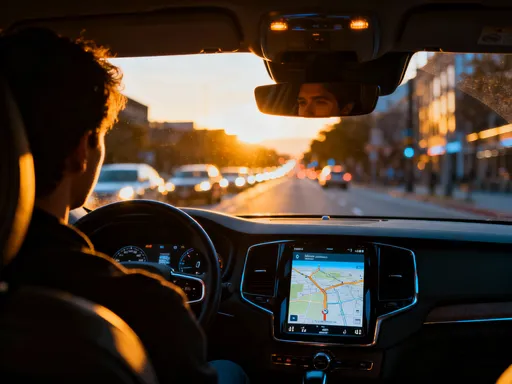
That morning, I didn’t just save 15 minutes—I discovered a tool that felt like it was made for people like me. People who aren’t tech experts, who don’t want to study maps or memorize back roads, but who just want to get where they’re going without losing their sanity. The app I was using—like many others—pulls in live traffic data from millions of phones, GPS devices, and road sensors. It’s not magic, but it’s close. Every car on the road is like a tiny reporter, sending updates on speed and flow. The system collects all that and figures out where the bottlenecks are, then suggests smarter paths in real time.
At first, I didn’t trust it. I’d see a detour and think, No way this back street is faster. But I started testing it. I’d take the suggested route one day, my usual path the next. And more often than not, the app was right. Not by a little—sometimes by 20, even 30 minutes. I began to realize that the ‘fastest’ route isn’t always the highway. Sometimes it’s a quieter side road that’s moving steadily while the main road is frozen.
What surprised me most wasn’t just the time saved, but the mental shift. Instead of feeling blind, I felt informed. Instead of reacting, I could plan. I wasn’t fighting traffic—I was working with it. And that changed how I showed up in the rest of my day. I wasn’t starting meetings with a racing heart. I wasn’t snapping at my kids because I was stressed. I was calmer. More in control. And that small change in my commute began to ripple outward.
Here’s the thing about real-time traffic tools: they’re not just for rush hour. I started using them for weekend errands, school pickups, even dinner with friends. I’d check the route before I left, just like I’d check the weather. It became part of my routine, not because I was obsessed, but because it made life easier. And isn’t that what good tech should do? Not complicate things, but quietly make them better?
From Commute to Control: Optimizing My Daily Workflow
Once I got comfortable with the idea of using traffic data, I started thinking bigger. What if I didn’t just react to traffic—but planned around it? I began looking at my whole day through a new lens. Instead of assuming I had to leave at 8:00 a.m. no matter what, I started asking: When is the smartest time to go?
I’ll give you an example. School drop-off is at 8:30, but the backup on the main road starts building by 8:10. If I leave at 8:00, I’m caught in it. But if I leave at 7:50? I glide through. Ten minutes earlier, and I save 15 minutes of stress. It sounds small, but that’s 15 minutes I can spend helping my son find his homework, or sharing a quiet moment with my daughter before she runs into class.
The same went for errands. I used to think, I’ll just pop out during lunch—only to spend half of it sitting in traffic. Now, I check the app before I go. Sometimes I’ll wait until 2:30 instead of 12:30. Other times, I’ll combine trips based on flow—grocery store on the way home from the dentist, for example. It’s not about perfection. It’s about using information to make smarter, calmer choices.
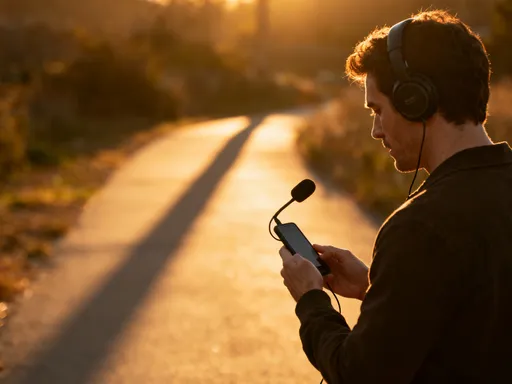
And here’s something I didn’t expect: knowing the traffic helped me plan my workday too. If I see a delay ahead, I’ll start a podcast or listen to a work voicemail. If the road is clear, I’ll call a colleague or brainstorm ideas. Instead of that time being lost, it became useful. I stopped seeing my commute as dead time and started seeing it as a transition—a chance to shift gears mentally before I walked into the next part of my day.
Family Time Reclaimed: How Less Time in Traffic Meant More Moments That Matter
The real gift of this change wasn’t the extra minutes—it was what I did with them. I started making things I used to miss. My daughter’s piano recital was at 5:30. I’d checked traffic that morning and seen a major accident reported on my usual route. The app suggested an alternate path and warned me to leave by 4:45. I did—and I got there early enough to hug her before she went on stage. That moment, that quiet breath before she played her first note, would have been lost if I’d just driven blindly.
Another night, my husband and I had planned a rare dinner out. I’d been stressed all day, and I could feel the tension building as I got in the car. But the app showed a backup on the highway, so I took a surface road. No honking, no sudden stops. I listened to a calming playlist. By the time I walked into the restaurant, I wasn’t frazzled. I was present. We had a real conversation. We laughed. And later, he said, You seemed really relaxed tonight. I realized: I was. Because I hadn’t spent the last 45 minutes fighting traffic.
These moments added up. I started arriving home with energy, not exhaustion. I could help with homework, sit with my kids while they ate dinner, actually see them. I wasn’t just physically there—I was emotionally available. And that made all the difference. Real-time traffic tools didn’t just save me time. They gave me back my presence. They helped me show up as the mom, the partner, the person I want to be.
Smarter Habits, Not Harder Efforts: Building a Traffic-Smart Routine
I’ll be honest—I didn’t want to become one of those people who’s constantly checking their phone. I didn’t want to add another thing to my to-do list. But what I found was that a few tiny habits made all the difference, and they took almost no effort.
Now, while I’m brushing my teeth in the morning, I glance at my phone. Just a quick look. The app shows me the day’s traffic outlook—any major delays, accidents, or construction. If there’s a problem, I adjust. Maybe I leave earlier. Maybe I pack a snack to eat on the go. Maybe I just mentally prepare for a slower drive.
I also set up smart alerts. I don’t get pings all day, but I get one when I’m about to leave and another if there’s a sudden change on my route. Some days, my phone says, Traffic is lighter than usual—consider leaving in 10 minutes instead of now. That’s saved me from sitting in a garage waiting for nothing.
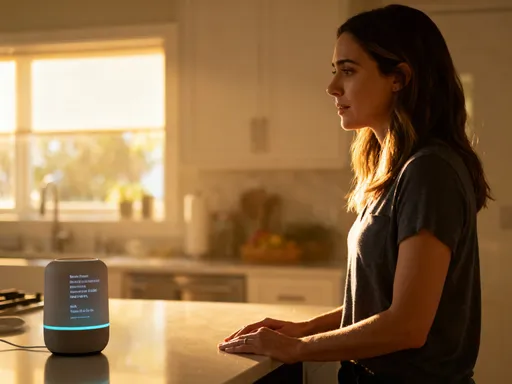
And I use voice mode. While I’m driving, I don’t touch my phone. But I’ll say, Hey, how’s traffic to school? and the app tells me without me looking. It’s like having a calm, informed co-pilot who never gets stressed. These habits aren’t about being perfect. They’re about being prepared. And they’ve turned something that used to feel chaotic into something I can actually manage.
Beyond the Car: How Traffic Awareness Changed My Whole Day
What I didn’t expect was how this one change would touch everything else. With less stress in the car, I started using that time differently. I downloaded a few audiobooks—nothing heavy, just light reads that made me smile. I listened to parenting podcasts that gave me new ideas. I even started practicing mindfulness—simple breathing exercises during long stops. Instead of cursing the red light, I’d take three slow breaths. And you know what? It helped.
At work, I noticed I was more focused. Because I wasn’t arriving flustered, I could dive into tasks right away. I wasn’t replaying the jerk who cut me off in traffic—I was already thinking about my agenda. My coworkers even commented: You seem calmer lately. I smiled and said, I’m just getting better at getting there.
At home, I had more patience. I wasn’t carrying the tension of the drive into bedtime routines. I wasn’t short with my kids because I was mentally exhausted. I was more present. More willing to sit and talk. More able to enjoy the little things—like my son’s terrible jokes or my daughter’s latest drawing taped to the fridge.
It’s funny how one small tech habit can create such a big ripple. I didn’t set out to change my life. I just wanted to stop being late. But by paying attention to something as simple as traffic flow, I ended up creating space—for calm, for connection, for joy. And that space? It’s become one of my most valuable resources.
A Lighter, Smarter Life: Why Knowing the Road Ahead Matters More Than Speed
Looking back, I realize this wasn’t really about traffic at all. It was about reclaiming my time, my energy, and my peace of mind. Real-time traffic tools didn’t turn me into a tech genius. They didn’t eliminate every delay. But they gave me something far more important: a sense of agency. I’m no longer at the mercy of the road. I can see what’s coming, adjust, and move forward with confidence.
And that feeling—of being prepared, of being in control—has spilled into other parts of my life. I plan meals with the same calm intention. I schedule appointments around natural energy dips. I’ve started saying no to things that drain me, because I finally understand the value of my time.
If you’re still sitting in traffic, stressed and frustrated, I want you to know: there’s a better way. You don’t have to accept it as part of life. A simple app, used with intention, can change how you move through your day. It’s not about going faster. It’s about going smarter. It’s about arriving—not just at your destination, but at your life—with more calm, more joy, and more of yourself to give.
So next time you’re about to start the car, take a breath. Check the road ahead. Let the data guide you. And give yourself the gift of a smoother, lighter journey. Because you deserve to arrive not just on time—but at peace.